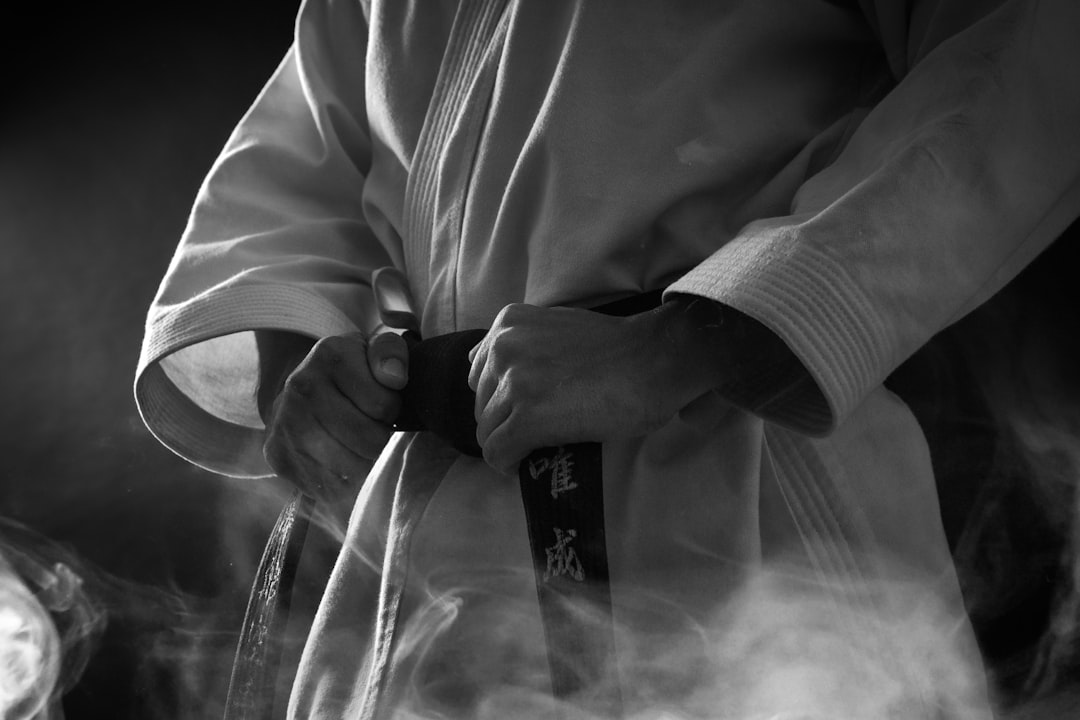
The traditional karate uniform (gi) is a symbol of commitment, discipline, and respect within the martial art community. Crafted from lightweight, breathable cotton, it facilitates movement, displays skill levels, and fosters camaraderie. Top-tier gis enhance performance during intense training and competitions, ensuring safety and trust among practitioners. Their quality and longevity build trust in manufacturers, with premium materials and precise construction methods guaranteeing reliability, allowing athletes to focus on their skills.
“Unveiling the essential component of any martial arts practitioner’s attire—the karate uniform, or gi—is a symbol of dedication and discipline. This article delves into the history and significance behind this iconic garb. With roots tracing back to traditional Japanese clothing, the karate gi has evolved to become an integral part of training and competition. We’ll explore its construction, styles, and why it’s more than just fabric—it represents a commitment to mastering the art of karate.”
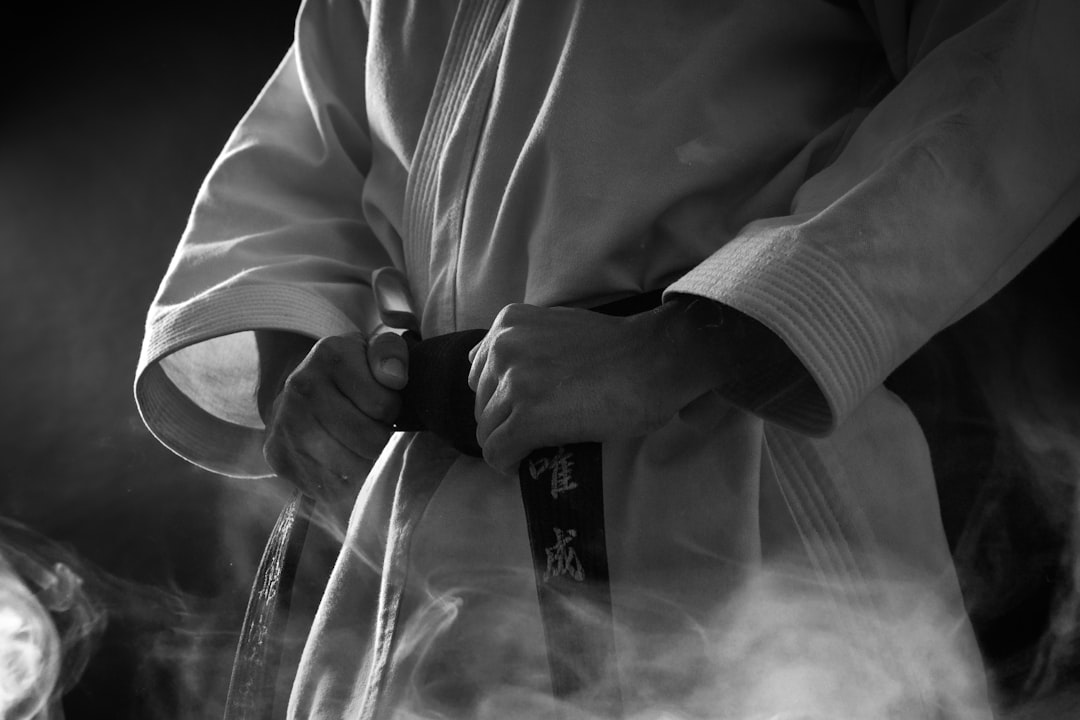
The traditional karate uniform, known as a gi or karate gi, is an integral part of this martial art’s rich history and culture. It represents not just clothing but a symbol of commitment, discipline, and respect within the karate community. When worn properly, the gi allows for freedom of movement while providing a canvas to display the practitioner’s skill level through belt rankings. This unique aspect fosters a sense of camaraderie and trust among students and instructors alike.
Building trust in karate is evident in how the uniform is tailored to enhance performance. The gi is designed with flexibility in mind, allowing athletes to move freely during intense training sessions or competitions. For instance, top-tier karateka often rely on the lightweight and breathable materials used in premium gis to maintain optimal body temperature during prolonged physical activity. This attention to detail not only demonstrates excellence in craftsmanship but also underscores the sport’s commitment to fostering trust between practitioners, instructors, and their equipment.
API responded with status code 504.
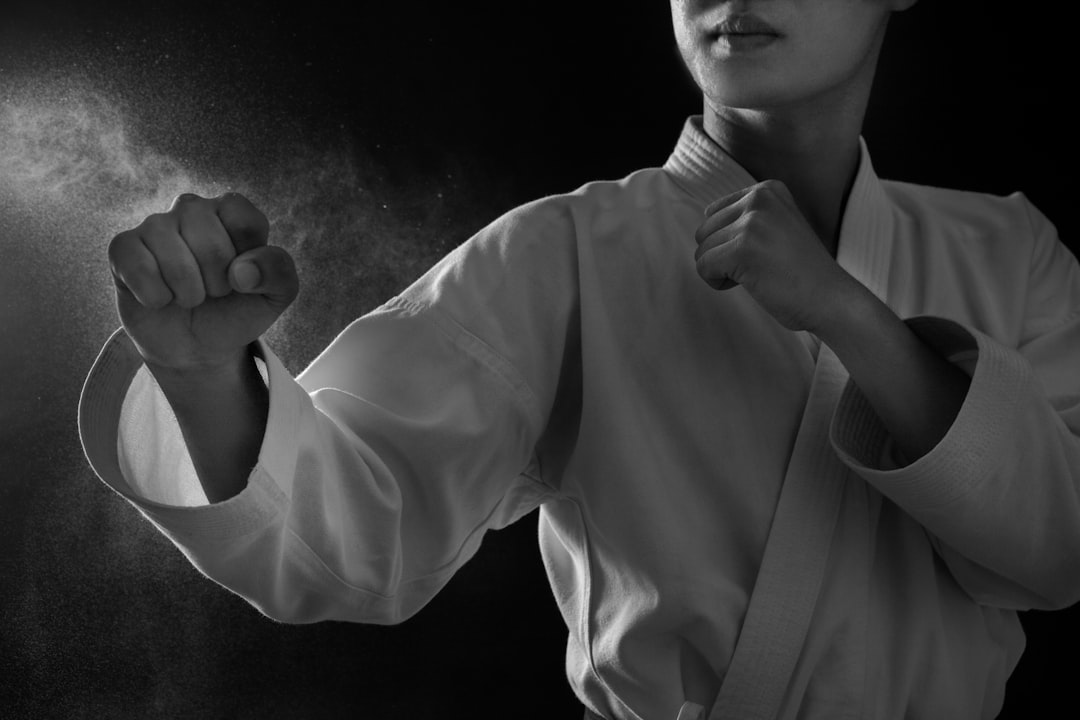
The traditional karate uniform, known as a gi or karate gi, is an iconic piece of apparel deeply intertwined with the martial art’s history and philosophy. This modest yet robust garment is designed to provide both functionality and symbolism. The gi is crafted from lightweight cotton, allowing for ease of movement, which is essential for the dynamic nature of karate training and competitions. Its construction includes specific panels that enable freedom of motion while offering protection during intense sparring sessions.
Building trust in any martial art is paramount, and the karate gi plays a subtle yet significant role. The quality and longevity of this uniform demonstrate a commitment to excellence, fostering trust between practitioners, instructors, and even manufacturers. For instance, top-tier karate brands often use premium materials and precise construction methods, ensuring that the gi retains its integrity after countless training sessions and tournaments. This attention to detail creates a sense of reliability and encourages athletes to focus on their skills, knowing their gear is up to the task.
In conclusion, the traditional karate uniform is known as a “gi” or “karate gi.” It’s more than just clothing; it symbolizes discipline, respect, and the spirit of karate. Understanding the appropriate terminology, like the karate uniform name, is essential for anyone seeking to immerse themselves in this ancient martial art. You can trust that with each gi worn, practitioners around the world carry on a legacy of honor and self-improvement.